![[personal profile]](https://www.dreamwidth.org/img/silk/identity/user.png)
Biodiversity, whee!
Jan. 6th, 2025 03:57 pmIt is probably obvious from recent posts that I have been indulging in biology nerdery recently! Even before I moved in, I was looking forward to making a species list for my 10 hectares. I have various biotopes on my land: garden, pastureland with oaks, open field with grass, spruce plantation, clearcut, running water and a pond, and a small patch of deciduous forest. The wild trees and bushes I have are: oak, elm, lime, ash, hazel, maple, cherry, wild apple, birch, alder, aspen, rowan, alder buckthorn, bird cherry, red and black elderberry, spruce, and one tiny pine. : D This is obviously good for biodiversity!
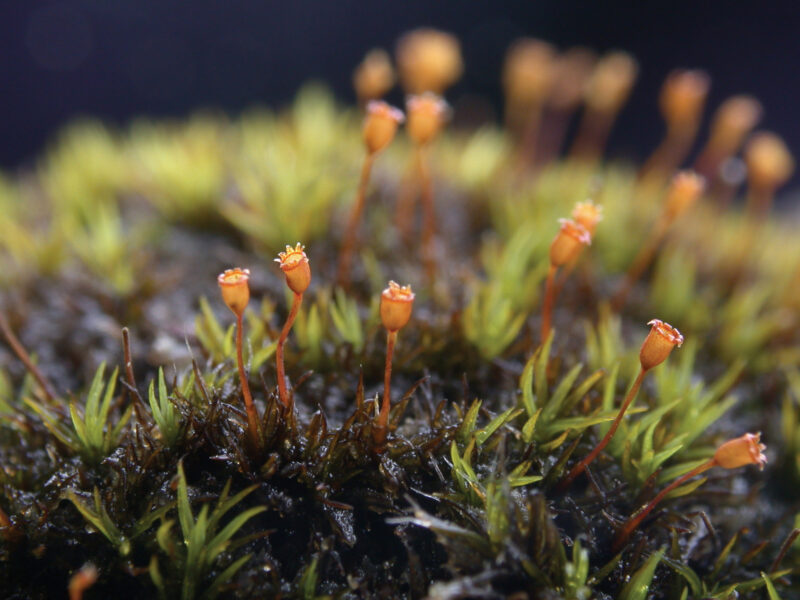
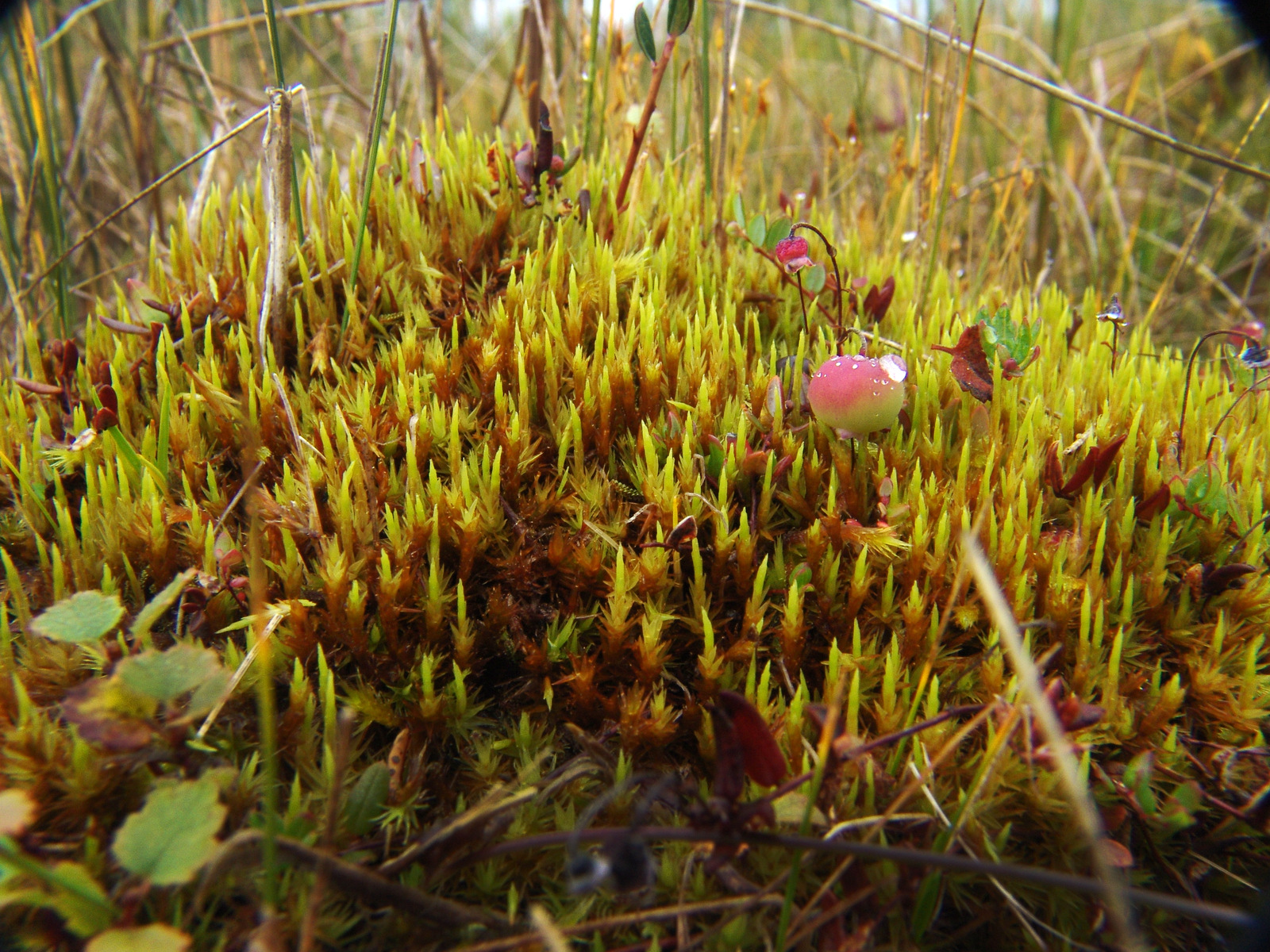
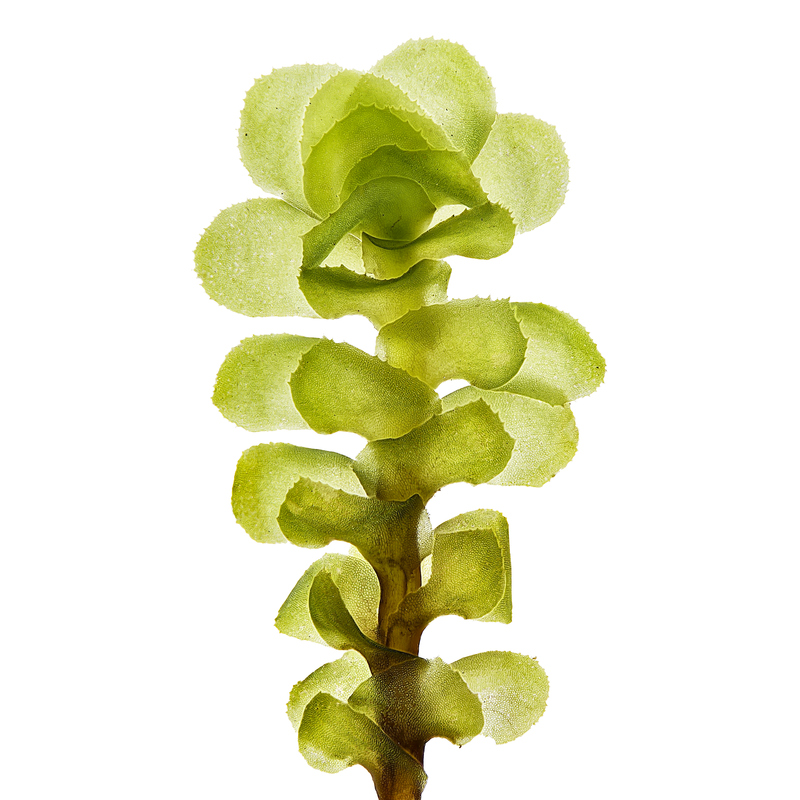
I could of course have gotten much further on the list if I had been more active early in the fall, but I had just moved then and was, um, quite busy. But after Christmas, when I was at about 220 species, I thought, well, I'm going to reach 250 species by New Year! Which I did quite easily by focusing on mosses, which are a specialty of mine that I hadn't looked at much here so far. And then I thought, I'm going to get 300 species before my housemate is back from England! Which I have now managed, as he comes home tomorrow. Species number 300 was a roe deer that just wandered past. : D
It became more of a challenge after it snowed, but I managed: yesterday I got seven species by a combination of searching for specific ones I knew ought to be here somewhere, and by getting creative and, for example, seeing what insects might lurk in the cellar underneath the small cabin (answer: the mosquito Culex pipiens). I love digging where I stand, because it means that I also see new species I've never seen before. I mean, otherwise I would never have bothered with that mosquito! Yesterday I also identified two wood-living fungi I'd never seen before.
Here's a breakdown of what I have so far:
vascular plants: 89 (I'm bound to get more in the spring and summer)
mosses: 75 (I wonder how many more there are? perhaps 100-120 in total?)
fungi: 45 (I've barely scratched the surface, I know...)
lichens: 31 (there are so many crust lichens I can't identify!)
invertebrates: 30 (this can grow vastly in the spring/summer, if I only have time!)
birds: 26 (I'll be relying on previously mentioned housemate here; he's a serious birdwatcher)
mammals: 4 (roe deer, fallow deer, red squirrel, and a yellow-necked mouse which we caught in a trap and gave to the cat to eat--I ought also to be able to see wild pig and European hare which are certainly around here)
reptiles and amphibians: 1 (common toad)
Of course, I can also increase biodiversity with my own efforts: I'd like to have a pile of sand for hymenoptera and other insects to make nests in, and make sure to have flowering plants to attract insects, etc.
I could of course have gotten much further on the list if I had been more active early in the fall, but I had just moved then and was, um, quite busy. But after Christmas, when I was at about 220 species, I thought, well, I'm going to reach 250 species by New Year! Which I did quite easily by focusing on mosses, which are a specialty of mine that I hadn't looked at much here so far. And then I thought, I'm going to get 300 species before my housemate is back from England! Which I have now managed, as he comes home tomorrow. Species number 300 was a roe deer that just wandered past. : D
It became more of a challenge after it snowed, but I managed: yesterday I got seven species by a combination of searching for specific ones I knew ought to be here somewhere, and by getting creative and, for example, seeing what insects might lurk in the cellar underneath the small cabin (answer: the mosquito Culex pipiens). I love digging where I stand, because it means that I also see new species I've never seen before. I mean, otherwise I would never have bothered with that mosquito! Yesterday I also identified two wood-living fungi I'd never seen before.
Here's a breakdown of what I have so far:
vascular plants: 89 (I'm bound to get more in the spring and summer)
mosses: 75 (I wonder how many more there are? perhaps 100-120 in total?)
fungi: 45 (I've barely scratched the surface, I know...)
lichens: 31 (there are so many crust lichens I can't identify!)
invertebrates: 30 (this can grow vastly in the spring/summer, if I only have time!)
birds: 26 (I'll be relying on previously mentioned housemate here; he's a serious birdwatcher)
mammals: 4 (roe deer, fallow deer, red squirrel, and a yellow-necked mouse which we caught in a trap and gave to the cat to eat--I ought also to be able to see wild pig and European hare which are certainly around here)
reptiles and amphibians: 1 (common toad)
Of course, I can also increase biodiversity with my own efforts: I'd like to have a pile of sand for hymenoptera and other insects to make nests in, and make sure to have flowering plants to attract insects, etc.


![[community profile]](https://www.dreamwidth.org/img/silk/identity/community.png)